
The short answer
Pack one or two foods your child already eats, one small food to explore, and keep it simple. Here's an easy formula, with ideas for daycare and school.

You packed it with love. You cut the cucumber into stars. It came home untouched, with a bite out of one cracker and a mystery squashed sultana.
Lunchboxes are hard when your child has a short list of foods. There's no one at the table to encourage them, it's noisy, and there's a whole playground waiting. So let's make it easier, on them and on you.
Why won't my child eat their lunchbox?
A lunchbox that comes home full doesn't always mean your child is being difficult. At daycare or school, little ones are often:
- distracted, and keen to go and play
- rushed, with limited time to eat
- unsure about a food that looks different from the version at home
- put off by foods that have gone warm, soggy or brown
- struggling to open the containers
- overwhelmed by too many choices
Plenty of kids also eat more when they're home with you. A big afternoon tea can be part of the plan. Look at what they eat across the whole day, and the whole week.
The simple lunchbox formula for fussy eaters
Here's what I suggest for a lunchbox that's realistic and still gives your child a chance to explore food:
- Two safe foods. Foods your child eats most days. These are what they'll probably eat, and it's fine if they're beige.
- One easy add-on. A food they sometimes eat. Pick a fruit, vegetable or protein if you can.
- One tiny explorer. A very small amount of something new, or something they've eaten at home. Think one slice or a teaspoon. It's allowed to come home.
- Water. Water is the best drink for little ones, so pop a bottle in every day.
This helps because your child opens their lunchbox and sees something familiar. New foods feel much less scary sitting beside a food they trust.
Lunchbox ideas your child may actually eat
Treat these as a menu, and borrow only what suits your child.
Mains
- A plain sandwich or wrap, cut the way they like it
- Vegemite and cheese scrolls
- Crackers with cheese
- Cold pasta with a little sauce or cheese
- Savoury muffins with corn, zucchini and cheese
- A slice of frittata or pita pizza
- Mini meatballs or rissoles
- Fried rice with egg and peas
Fruit and vegetables
- Mandarin segments or banana
- Sliced apple or pear, with a squeeze of lemon to slow browning
- Berries or melon
- Corn cut off the cob, or peas
- Blanched carrot or capsicum sticks with dip
Extra protein and snacks
- A small tub of yoghurt
- A cheese stick
- Boiled egg
- Hummus with crackers
- Roasted chickpeas for older kids
- Pikelets or pumpkin scones
What if my child only eats beige food?
Then we start with beige. Crackers, plain bread, pasta and cheese are all welcome here. Small changes to foods they already like are often the easiest way forward:
- Try a different brand or shape of a favourite cracker.
- Move from white bread to a soft wholemeal, or do half and half.
- Add a very thin spread of something new to one small corner.
- Offer the same food in a slightly different form, like pasta spirals instead of shells.
Small wins count. So does a carrot stick that makes it to school and back without anyone getting upset. If you'd like more detail, my free guide on building a balanced lunchbox when your child only eats beige foods is made for exactly this.
Packing tips that make a real difference
- Practise at home. Have a lunchbox picnic on the weekend, and check your child can open everything themselves.
- Keep portions small. A full box can feel like a lot. Little tummies do better with small amounts of a few foods.
- Let them choose. Offer two options, and let them help you pack. Kids are often more willing to eat something they had a hand in.
- Keep it cold. Use an insulated lunchbox with a frozen water bottle or ice brick, especially for cheese, yoghurt, egg and meat.
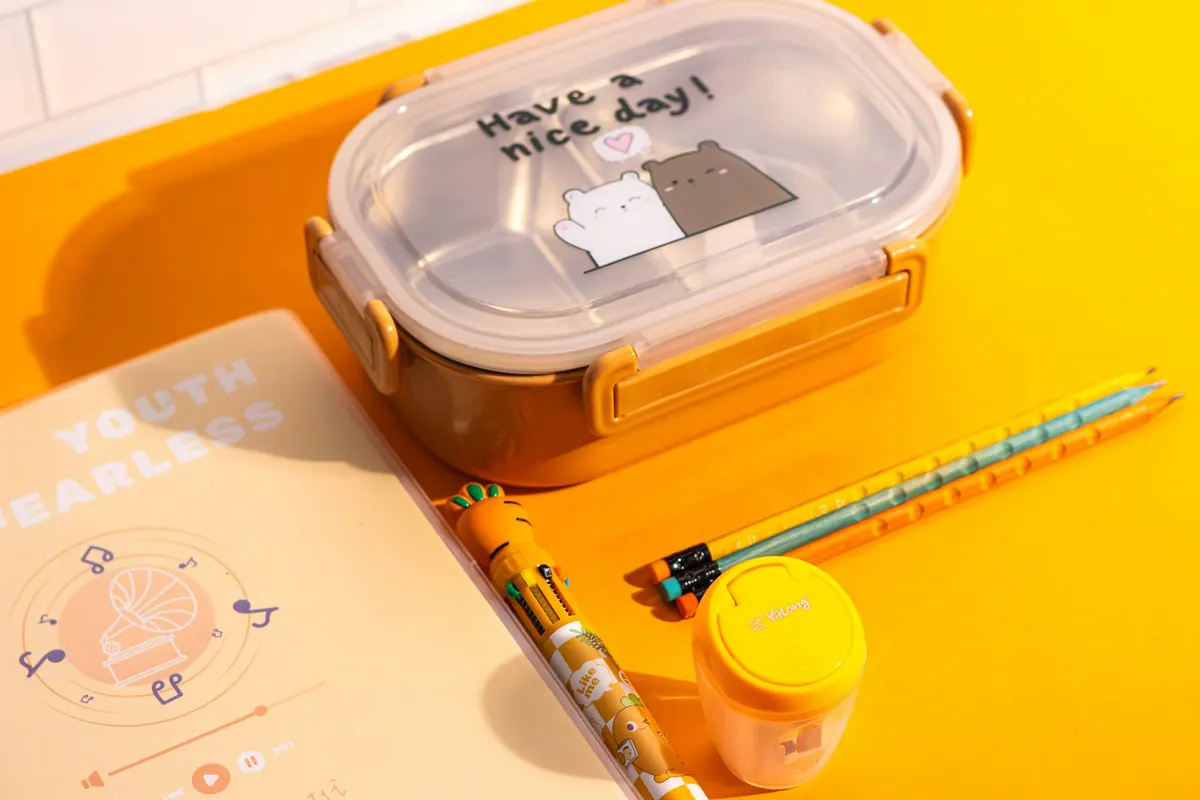
- Keep foods separate. Use a bento box or silicone cups if your child doesn't like foods touching.
- Skip the post-mortem. Try not to quiz them about what they ate. A relaxed "how was lunch?" takes the pressure off.
- Add a note. A small drawing or sticker is a lovely surprise.
Are there safety rules for daycare and school lunchboxes?
Check your service's food policy first, as many are nut-free or have allergy rules. For younger children, soften hard vegetables, and cut round foods like grapes and cherry tomatoes into small pieces to reduce the choking risk. Whole nuts aren't suitable for little ones.
Foods eaten for enjoyment have a place in your child's week, and a muesli bar won't undo anything. Australia's Get Up & Grow guidelines suggest keeping lunchboxes focused on everyday foods, and at many services that's the expectation. Save the rest for home, where you can enjoy it together.
When is it more than fussy eating?
It's worth getting help if your child eats very few foods, is dropping foods they used to eat, often gags or vomits at meals, gets very distressed around food, or you're worried about their growth. Constipation and low iron can also affect appetite, so it helps to look underneath. Your GP is a great first stop, and I can work alongside them.
How I can help
If lunchboxes are only one part of a bigger battle, you don't have to work it out alone. I look at the eating and the body together, then build a realistic guide around the foods your child already eats. You can read more about fussy eating support, or book a free 15-minute intro call.
Sources
Questions parents ask
What do you pack for a child who won't eat anything?
Start with two foods they already eat, add one easy extra, and include a very small amount of something new. It's fine if some of it comes home.
Should I worry if the lunchbox comes home full?
Not on its own, as kids are often distracted at lunch. Look at what they eat over the whole day and week, and speak to your GP if you're worried about their growth or energy.
How do I keep a lunchbox cool?
Use an insulated lunchbox with a frozen water bottle or ice brick inside.

About the author
Kelly Suggate is a Certified Practicing Nutritionist (AARPN) and SOS-trained feeding therapist in Sydney. She has two university nutrition degrees and helps families of babies, toddlers and young kids with fussy eating, gut and skin worries, allergies and starting solids. She's also a mum of two, so her advice has to work on a busy Tuesday night.
More about Kelly →The information on this website is general in nature and is for education only. It isn't a substitute for individual medical or health advice, diagnosis or treatment. Every child is different, so please speak with your GP, paediatrician or health professional about your child's health, and seek medical help straight away if you're worried about a reaction or your child's wellbeing. Kelly Suggate is a Certified Practicing Nutritionist and works alongside your child's medical team.